

laminated glass and tempered glass
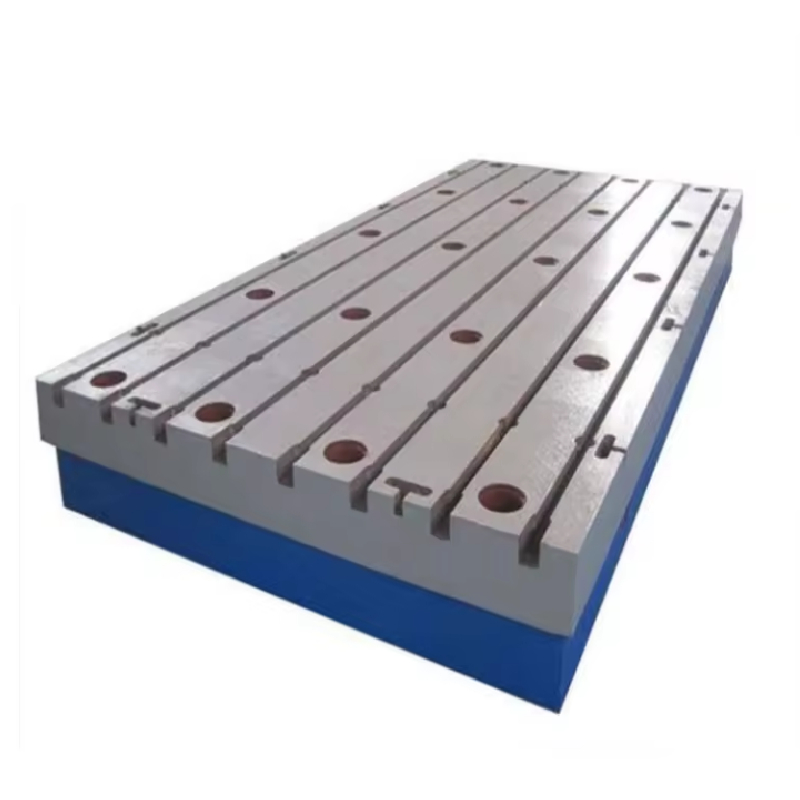
Engineering Measuring Tools Precision in Every Project In the realm of engineering, precision is paramount. Every project, whether it’s constructing a skyscraper or designing intricate machinery, demands accurate measurements . To achieve this, engineers rely on a variety of measuring tools that serve different purposes and ensure that every dimension is spot on. One of the most fundamental measuring tools in engineering is the ruler or measuring tape. These simple yet effective tools are essential for taking linear measurements. Often made from metal or flexible materials, a measuring tape can easily adapt to various shapes and sizes, making it perfect for both indoor and outdoor projects. Engineers must ensure that their measuring tapes are calibrated correctly to avoid errors in length, which can significantly affect the outcome of a project. Calipers are another vital tool in the engineering field. They come in various forms, such as vernier, dial, and digital calipers, each offering precise measurements of internal and external dimensions and depths. Digital calipers, in particular, have gained popularity due to their ease of use and ability to provide instant readings, reducing the risk of human error. By utilizing calipers, engineers can achieve measurements down to decimals, crucial for projects requiring tight tolerances. For even greater precision, engineers often turn to micrometers. These tools can measure thickness and small distances with an accuracy of one-thousandth of a millimeter. Micrometers are indispensable in fields like mechanical engineering, where the fit between components can affect the overall functionality of a machine. The ability to measure such minuscule dimensions ensures that parts fit together seamlessly without requiring excessive force, which could lead to wear and tear over time. engineering measuring tools In addition to these hand-held tools, engineers also utilize various electronic measuring devices, including laser distance meters and optical levels. Laser distance meters use laser technology to provide accurate distance measurements over long ranges, making them particularly beneficial in large-scale projects. Optical levels, on the other hand, are essential for surveying and constructing level surfaces, ensuring that buildings and structures are aligned correctly. Another innovative tool in modern engineering is the 3D scanner, which allows for non-contact measurement of objects in three dimensions. This technology captures the physical dimensions of parts and assemblies, enabling reverse engineering and quality control. Through advanced software, engineers can analyze the data for discrepancies, ensuring that all parts meet design specifications. The choice of measuring tools in engineering ultimately depends on the specific requirements of the project and the level of precision needed. While traditional tools like rulers and calipers remain important, advancements in technology offer engineers new ways to enhance accuracy and efficiency. In conclusion, engineering measuring tools are critical to the success of any engineering project. From simple rulers to advanced laser scanners, each tool plays an essential role in ensuring every measurement is precise. As technology continues to evolve, engineers can expect even more innovative tools that will enhance their ability to deliver high-quality results on time and within budget. The future of engineering relies on precision, and these measuring devices are at the forefront of that promise.
about
laminated glass and tempered glass
Understanding Snap-On Dial Indicators Precision Tools for Accurate Measurement In the world of machining, engineering, and quality control, precision is paramount. Among the array of tools available for measurement, the snap-on dial indicator stands out as a vital instrument for achieving accuracy in various applications. This article delves into the features, uses, and advantages of snap-on dial indicators, highlighting their significance in maintaining quality and precision in both industrial and laboratory settings. What is a Snap-On Dial Indicator? A snap-on dial indicator is a precision measuring instrument that is widely used to measure small distances and variations in height or alignment. It is composed of a dial face that typically displays measurements from 0 to 1 inch or 0 to 25 millimeters, and a needle, or pointer, that moves in response to changes in the workpiece being measured. The design allows for the attachment of various probes or tips that can adapt to different measurement tasks. One of the defining features of snap-on dial indicators is their ease of use. The user can quickly snap the unit onto a workpiece, allowing for immediate measurement without complicated setups. This convenience makes them particularly useful in fast-paced environments, where time and efficiency are critical. Key Features 1. Accuracy Snap-on dial indicators are known for their high precision, often with an accuracy of 0.001 inches or better. This level of precision is crucial for applications ranging from machining to assembly inspections. 2. Durability Built to withstand the rigors of industrial environments, these indicators are often constructed with hardy materials that resist wear and damage. 3. Versatility With a variety of interchangeable tips, snap-on dial indicators can be used in different measuring scenarios, whether assessing flatness, alignment, or roundness. 4. Easy Readability The large, clear dial face and contrasting markings allow for easy reading of measurements, reducing the risk of human error. Applications Snap-on dial indicators find utility across a range of industries, including automotive, aerospace, manufacturing, and quality assurance. Some common applications include snap on dial indicator - Alignment Checks Ensuring that machinery parts are aligned correctly is essential for operational efficiency. Dial indicators are used to check for misalignment in shafts and components, helping to prevent premature wear and tear. - Height Measurement In machining processes, measuring the height of workpieces is crucial . Snap-on dial indicators can accurately assess variations in height, allowing for precise adjustments. - Flatness Measurement When working with surfaces, ensuring flatness is critical for the function of mechanical parts. Dial indicators can measure the flatness of surfaces, assisting in quality control. - Roundness Measurement For components that require circular precision, such as bearings, snap-on dial indicators can measure roundness to ensure that parts meet specifications. Advantages of Using Snap-On Dial Indicators The use of snap-on dial indicators provides numerous benefits 1. Time Efficiency The ability to quickly attach and remove the indicator saves time, which is especially valuable in high-production environments where every second counts. 2. Enhanced Accuracy With fine gradations and precision mechanisms, measurements are more accurate compared to traditional methods, leading to improved product quality. 3. User-Friendly Designed for ease of use, even individuals with minimal training can effectively operate snap-on dial indicators, making them accessible for a broad range of personnel. 4. Cost-Effectiveness Investing in a high-quality snap-on dial indicator can reduce costly errors and reworks, ultimately leading to savings and increased profitability. Conclusion The snap-on dial indicator is an indispensable tool that enhances measurement accuracy and efficiency in various industrial applications. With its combination of precision, durability, and ease of use, it stands as a testament to the advancements in measurement technology. Understanding its features and applications not only empowers businesses to achieve superior quality control but also drives innovation across the engineering landscape. As industries continue to evolve, the relevance of tools like the snap-on dial indicator will undoubtedly persist, facilitating the pursuit of excellence in manufacturing and engineering practices.
-

High quality industrial productsagement

High quality industrial products
View Details -

Meet the diverse needs of customers

Meet the diverse needs of customers
View Details -

Strict quality control

Strict quality control
View Details -

Top raw materials

Top raw materials
View Details -

Trusted supplier

Trusted supplier
View Details
Our application

news and information

Valvola di ritegno della piscina
Valvole di Controllo per Piscine Importanza e Funzioni Le piscine sono una meravigliosa aggiunta a q

Vanne papillon 15 mm - Performances et applications
La vanne papillon de 15 mm est un élément essentiel dans le domaine de la régulation des fluides. Gr
Vannventil for kontroll av vannstrøm og trykkregulering
Vannventilens Rolle i Vannfordeling Vann er en av de mest essensielle ressursene på jorden, og forva
 English